Chuck Tingle
Completed 9/24/2026, Reviewed 9/24/2026
4 stars
Tingle writes terrific horror. This is another great horror novel by him, though not as life changing as Camp Damascus or Lucky Day. It’s pretty grizzly body horror featuring a body thief named Poppy Stringer and the zombified corpse of her queer musical idol, Eddie Michaels. But it’s not another zombie apocalypse story. There’s more than meets the eye to Eddie’s reanimation and it entangles Poppy, her daughter Marlo, and her gay best friend Noah who babysits Marlo. If you can get past all the gore, you’ll be rewarded with Poppy’s metanoia (a profound change of heart, a transformative shift in one's way of thinking, or a spiritual conversion) amidst the blood and guts.
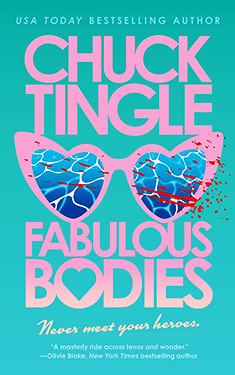
By day, Poppy tries to be a social media influencer, focusing on fashion. But her real means of making ends meet is stealing dead bodies for a variety of clients. She doesn’t care about the reason; she does it because she’s good at it and it pays enough to support herself and Marlo. She tells no one, not even Noah, quipping, “…I can only assume [Noah] thinks I’m a part-time stripper, as little else would require my late night babysitting needs and a code of silence. Black-market corpse dealer is probably low on his list.” (Cringy chuckle). When her all-time favorite musician Eddie Michaels is killed in a car crash, she’s assigned to pick up the body (apparently, it’s already been stolen). In the back of her van, he comes to life and commandeers her to run some gruesome errands for him; she obeys. As the night progresses, she begins to realize he’s leaving a string of bodies, many of whom have been flayed alive, and to her horror, the victims’ torture was self-inflicted. She realizes he has some kind of mind control over his victims, and her. But he’s so powerful, physically and mentally, she doesn’t know how she can stop him.
At the book’s start, Poppy is terribly self-absorbed, thinking she’s doing this for Marlo. The reality is she’s a performer. She likes being the object of applause, boosting her ego, and writing off Marlo’s disdain for the amount of time Poppy spends making videos. But as her nightmare with Eddie unfolds, she grows on you as she comes to realize what he’s doing with his victims, and more terrifyingly, why. That’s what triggers Poppy’s metanoia. But it’s not a simple journey. It’s filled with horrors and failed attempts at escaping from Eddie’s clutches. It was tough for me to accept her character development, though. The opening makes her relatively unlikeable, and I resisted her changing until I was caught up in the action. Lots of driving, chasing, flaying, and murders of witnesses. Tingle does an excellent job of combining the action with Poppy’s character development. He keeps the story moving yet gives Poppy copious time for self-reflection. This is what got me to warm up to her.
In terms of other characters, I liked Marlo and Noah right off the bat, even though they didn’t get much page time. Both have several good quips, a few providing some comic relief. But the relief comes fewer and farther between as the story goes on. Eddie, who at first seems kind of okay, quickly becomes a sadistic killer. Even though Tingle is known for his witty prose, there’s little of it here. Or at least, I didn’t notice it amidst the brutality.
This book is definitely NOT for the squeamish. If you don’t like horror, you will detest this. But this book was right up my alley. I only read a few horror novels a year and most are milder than this. I actually wondered if the character’s name, Poppy, was an homage to Poppy Z Brite, a body horror author who had a couple of excellent but highly disturbing novels about thirty years ago. If you’re so inclined, check out my reviews for her Lost Souls, Drawing Blood, and Exquisite Corpse. I give Tingle’s book four stars out of five. It didn’t affect me as deeply as his previous books, but it was still highly engrossing and, well, gross.